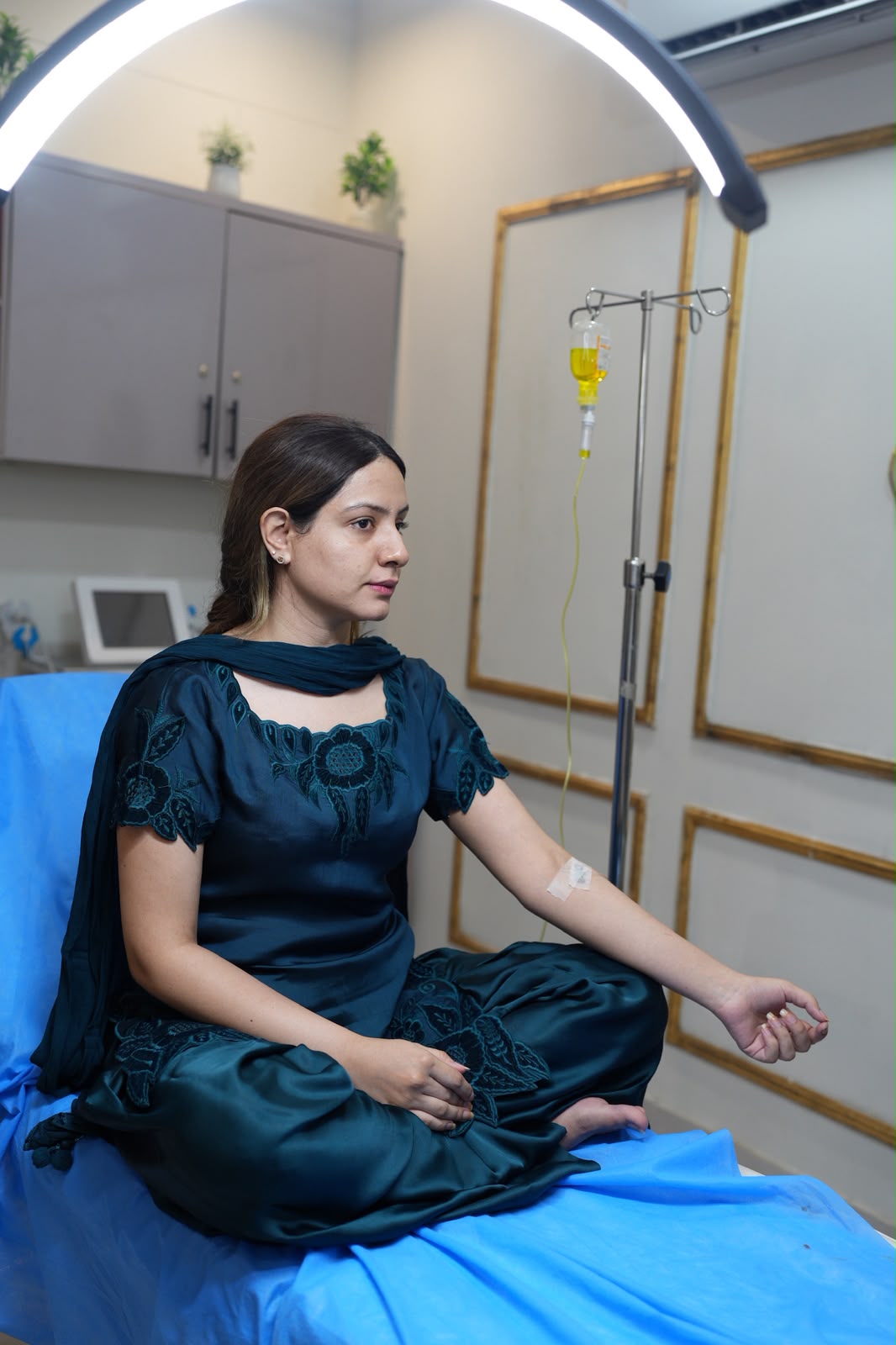
Searching for a whitening drip clinic in Lahore often means looking for an IV treatment marketed for brighter, more even-looking skin. These treatments are commonly associated with intravenous glutathione, sometimes combined with other nutrients or ingredients depending on the clinic’s protocol.
However, IV therapy is a medical treatment, not simply a beauty service. The ingredients, formulation, route of administration and patient’s health history all matter. Anyone considering an IV treatment should receive an appropriate professional assessment before treatment.
At Cosmothetics Clinic, patients can discuss their skin concerns and treatment goals with the clinic’s professional team to determine whether an IV-based approach is appropriate or whether another evidence-based skin treatment may be more suitable.
It is also important to keep expectations realistic. IV glutathione is widely marketed for skin lightening, but evidence for IV glutathione specifically for skin lightening remains limited. The FDA has also highlighted safety concerns involving injectable glutathione, including recent reports involving poor-quality compounded products.
What Is a Whitening Drip?
A whitening drip generally refers to an intravenous infusion marketed for skin brightening or complexion-related goals.
Depending on the provider, an IV formulation may contain glutathione or other ingredients. However, formulations are not necessarily standardized between clinics, so patients should ask exactly what will be administered.
Glutathione is a naturally occurring antioxidant involved in several cellular processes. It is frequently promoted in cosmetic medicine for its potential effects on pigmentation and skin appearance.
However, marketing claims can go beyond the available evidence. FDA materials have specifically noted that there are no studies establishing the safety of chronic IV glutathione use for skin lightening, and available clinical safety information includes adverse events such as infusion-site reactions, dizziness, gastrointestinal symptoms and, in some reports, anaphylaxis.
How Does an IV Whitening Drip Work?
An IV drip delivers a solution directly into a vein through an intravenous line.
The process generally involves:
- A health and treatment assessment
- Reviewing the patient’s relevant history
- Discussing treatment goals
- Confirming the ingredients and formulation
- Preparing the IV equipment
- Administering the infusion
- Monitoring the patient during treatment
- Providing appropriate post-treatment guidance
The exact process, duration and ingredients depend on the clinic’s protocol.
Patients should never assume that every “whitening drip” contains the same ingredients or has the same concentration.
Glutathione and Skin Brightening
Glutathione is one of the ingredients most commonly associated with IV skin-brightening treatments.
It has antioxidant functions in the body and is involved in cellular redox processes. Cosmetic marketing often links glutathione with changes in pigmentation and complexion.
However, it is important to distinguish marketing claims from established clinical evidence.
The FDA has previously reviewed safety information on IV glutathione and noted the lack of studies supporting its safety for chronic skin-lightening use.
Therefore, a responsible clinic should avoid promising:
- Permanent skin whitening
- Guaranteed complexion changes
- A specific number of shades of lightening
- Guaranteed results
- Zero side effects
- Permanent pigmentation removal
Skin color is influenced by genetics, melanin production, sun exposure and many other factors. Treatment goals should focus on appropriate skin health and individual concerns rather than unrealistic promises.
Why Professional Assessment Matters
An IV treatment involves placing a substance directly into the bloodstream, so appropriate screening is important.
Before treatment, a qualified healthcare professional may need to consider:
- Medical history
- Current medications
- Allergies
- Previous reactions to IV treatments
- Existing health conditions
- Pregnancy or breastfeeding status where relevant
- Treatment goals
- Previous cosmetic treatments
The assessment should also determine whether IV treatment is appropriate at all.
For someone primarily concerned about pigmentation, melasma, acne marks or uneven skin tone, a clinician may recommend a different approach depending on the underlying cause.
Whitening Drip vs Skin Pigmentation Treatment
A whitening drip and a targeted pigmentation treatment are not necessarily the same thing.
Pigmentation can have different causes, including:
- Sun exposure
- Post-inflammatory pigmentation
- Melasma
- Hormonal influences
- Acne-related marks
- Certain medications
- Skin irritation
Because the underlying cause matters, treatment should ideally begin with an assessment rather than assuming that an IV drip is the right solution.
Depending on the individual case, professional skin treatments may include topical skincare, chemical peels, selected laser or light-based treatments, microneedling or other approaches.
Potential Benefits Patients May Ask About
People seeking a whitening drip commonly want improvements such as:
- Brighter-looking skin
- More even-looking complexion
- Reduced appearance of dullness
- Improved overall skin appearance
- Support for specific cosmetic skin goals
However, these should be treated as potential or desired outcomes rather than guaranteed results.
The evidence for IV glutathione as a skin-lightening treatment is limited, so patients should discuss expected benefits and alternatives with a qualified professional.
Is a Whitening Drip Safe?
Safety depends on the specific formulation, product quality, route of administration, patient health and clinical practices.
Recent FDA safety information makes product sourcing particularly important. On August 27, 2026, the FDA warned compounders not to use dietary-supplement-grade glutathione for injectable drugs after reports of adverse events associated with compounded IV glutathione. The agency reported cases involving symptoms such as fever, chills, pain, dizziness and signs consistent with serious systemic reactions.
The FDA has also published recent recalls involving compounded glutathione products because of elevated bacterial endotoxin levels.
This does not mean every IV glutathione product is unsafe. It does mean that appropriate pharmaceutical sourcing, sterile preparation, product quality and professional administration are important considerations.
Possible Side Effects and Risks
IV treatment can involve risks even when administered in a professional setting.
Potential problems may include:
- Pain or irritation at the infusion site
- Dizziness
- Nausea
- Headache
- Allergic reactions
- Changes in blood pressure
- Infection
- Infusion-related reactions
- Rare but serious systemic reactions
FDA materials have documented adverse events associated with IV glutathione and concerns related to endotoxin contamination in certain compounded injectable products.
Patients should seek urgent medical attention if they develop serious symptoms such as difficulty breathing, severe weakness, fainting, significant swelling or other signs of a severe reaction after an infusion.
Who May Not Be a Suitable Candidate?
Not everyone is an appropriate candidate for an IV cosmetic treatment.
Suitability depends on individual health circumstances and the specific ingredients being considered.
A professional assessment is especially important for people with:
- Significant allergies
- Previous reactions to IV treatments
- Certain chronic medical conditions
- Complex medication histories
- Pregnancy or breastfeeding
- Unexplained symptoms
- Conditions requiring ongoing medical treatment
Do not hide medications or medical conditions from the healthcare professional conducting the assessment.
What to Ask a Whitening Drip Clinic in Lahore
Before booking an IV skin-brightening treatment, ask the clinic some important questions.
What exactly is in the drip?
Ask for the names of all active ingredients.
What is the purpose of each ingredient?
A reputable provider should be able to explain why each component is being administered.
Where does the injectable product come from?
Product sourcing and suitability for injection are important safety considerations.
Who administers the treatment?
Ask about the healthcare professional responsible for the procedure.
Is there a medical assessment first?
IV therapy should not be treated like an ordinary salon service.
What are the potential risks?
You should receive realistic information about possible adverse reactions.
What results should I realistically expect?
Avoid providers that promise guaranteed whitening or permanent results.
Why Choose a Professional Whitening Drip Clinic?
If someone decides that IV therapy is appropriate after professional assessment, the treatment environment matters.
A professional clinic should prioritize:
- Patient assessment
- Appropriate product sourcing
- Sterile technique
- Proper IV administration
- Monitoring
- Clear informed consent
- Accurate treatment information
- Emergency preparedness
- Appropriate follow-up
Patients should also be able to ask questions before consenting to treatment.
Whitening Drip in Lahore – What About Other Skin Treatments?
A whitening drip is only one type of treatment people may consider for complexion concerns.
Depending on the underlying issue, other aesthetic treatments may include:
| Skin Concern | Possible Professional Approaches |
|---|---|
| Uneven skin tone | Skincare, peels, selected laser/light treatments |
| Acne marks | Skincare, microneedling, selected laser treatments |
| Melasma | Medical assessment, skincare and carefully selected treatments |
| Dull skin | Professional facials, skincare and other appropriate treatments |
| Sun-related pigmentation | Sun protection, skincare and selected procedures |
| Dehydrated skin | Hydration-focused skincare and professional treatments |
The appropriate treatment depends on the patient’s skin condition and medical history.
Skin Brightening vs Skin Whitening
The terms skin brightening and skin whitening are often used interchangeably in cosmetic marketing, but they can create different expectations.
Skin brightening generally refers to improving the appearance of dullness, uneven tone or pigmentation.
Skin whitening can imply changing a person’s natural skin color.
A responsible aesthetic approach should focus on treating specific concerns such as pigmentation and uneven tone rather than promising to permanently alter someone’s natural complexion.
Sun Protection After Skin Treatments
Sun protection remains important when treating pigmentation and uneven skin tone.
Regular use of appropriate sun protection can help reduce additional UV-related pigmentation and support the results of a broader skincare plan.
A professional skincare routine may also include:
- Gentle cleansing
- Moisturization
- Appropriate active ingredients
- Sun protection
- Avoiding unnecessary skin irritation
Your clinician can recommend products according to your skin type and concerns.
How Many Whitening Drip Sessions Are Needed?
There is no universally established number of IV glutathione sessions for cosmetic skin lightening.
Treatment frequency should not be presented as a guaranteed formula because evidence for IV glutathione’s skin-lightening effectiveness and long-term safety is limited.
If a clinic recommends a course of treatment, ask why the proposed schedule is appropriate for your individual situation and what evidence supports the recommendation.
Can a Whitening Drip Permanently Whiten Skin?
A permanent whitening result should not be promised.
Skin pigmentation is influenced by genetics, hormones, UV exposure and many other factors. Even when a cosmetic treatment changes the appearance of pigmentation, maintenance and sun protection may remain important.
Claims such as “permanent whitening,” “100% guaranteed whitening” or “permanent fair skin” should be approached cautiously.
Why Cosmothetics Clinic?
Cosmothetics Clinic provides aesthetic and skin-focused services in Lahore.
For patients considering an IV treatment for complexion-related concerns, an appropriate consultation can help determine whether the requested treatment is suitable and whether another approach may better address the underlying skin concern.
Before publishing this page as a service page, make sure all details about the actual IV formulation, ingredients, healthcare professionals, product sourcing, treatment protocol and availability match what Cosmothetics Clinic genuinely provides.
What to Expect During a Consultation
A consultation can provide an opportunity to discuss:
- Your main skin concern
- Desired cosmetic outcome
- Previous treatments
- Current skincare routine
- Relevant medical history
- Medications
- Allergies
- Treatment alternatives
- Potential risks
- Aftercare
The goal should be informed decision-making rather than automatically recommending an IV drip to every patient.
Frequently Asked Questions
1. What is a whitening drip?
A whitening drip generally refers to an intravenous treatment marketed for skin brightening or complexion-related goals, often involving glutathione or other ingredients depending on the formulation.
2. Is a whitening drip the same as glutathione IV therapy?
Not necessarily. A whitening drip may contain glutathione, but formulations vary. Patients should ask the clinic exactly which ingredients are included.
3. Does IV glutathione permanently whiten the skin?
There is no reliable basis for promising permanent skin whitening from IV glutathione. Evidence for IV glutathione specifically for skin lightening remains limited.
4. Is a whitening drip safe?
IV treatment has potential risks, and safety depends on the formulation, product quality, patient health and administration practices. Recent FDA alerts have highlighted safety problems involving certain compounded injectable glutathione products.
5. Who should avoid a whitening drip?
Suitability depends on individual health circumstances. People with certain medical conditions, allergies, previous IV reactions, complex medication histories, or pregnancy may require additional assessment before treatment.
6. What should I ask before getting a whitening drip?
Ask about the ingredients, product source, healthcare professional administering the treatment, potential risks, expected outcomes and whether a medical assessment is performed beforehand.
7. How many whitening drips do I need?
There is no universally established number of IV glutathione sessions for cosmetic skin lightening. A treatment plan should be individualized and discussed with an appropriately qualified professional.
8. Can a whitening drip treat pigmentation?
A whitening drip is sometimes marketed for pigmentation and skin brightening, but pigmentation has many possible causes. A professional assessment can help determine whether another targeted treatment is more appropriate.
9. Can I get a whitening drip without a consultation?
A medical assessment is advisable before an IV treatment because the provider needs to consider your health history, medications, allergies and the suitability of the proposed formulation.
10. What are the possible side effects of IV glutathione?
Reported adverse events can include infusion-site reactions, dizziness, nausea and other reactions. More serious reactions, including anaphylaxis and reactions associated with contaminated injectable products, have also been reported.
11. Is whitening drip treatment available at Cosmothetics Clinic?
Patients should contact Cosmothetics Clinic to confirm current treatment availability, formulation, eligibility requirements and consultation details.
12. Is skin brightening different from skin whitening?
Skin brightening usually refers to improving the appearance of dullness or uneven pigmentation, while skin whitening can imply changing natural skin color. A responsible treatment plan should focus on specific, treatable skin concerns.
13. Can I use skincare products along with a whitening drip?
Skincare may form part of a broader skin-health plan, but products should be selected according to your skin type and concerns. Discuss your current routine with your clinician.
14. What should I expect from a whitening drip clinic in Lahore?
You should expect a professional assessment, clear information about the treatment and ingredients, discussion of risks and realistic expectations, appropriate IV administration and suitable aftercare.
Leave a Reply