
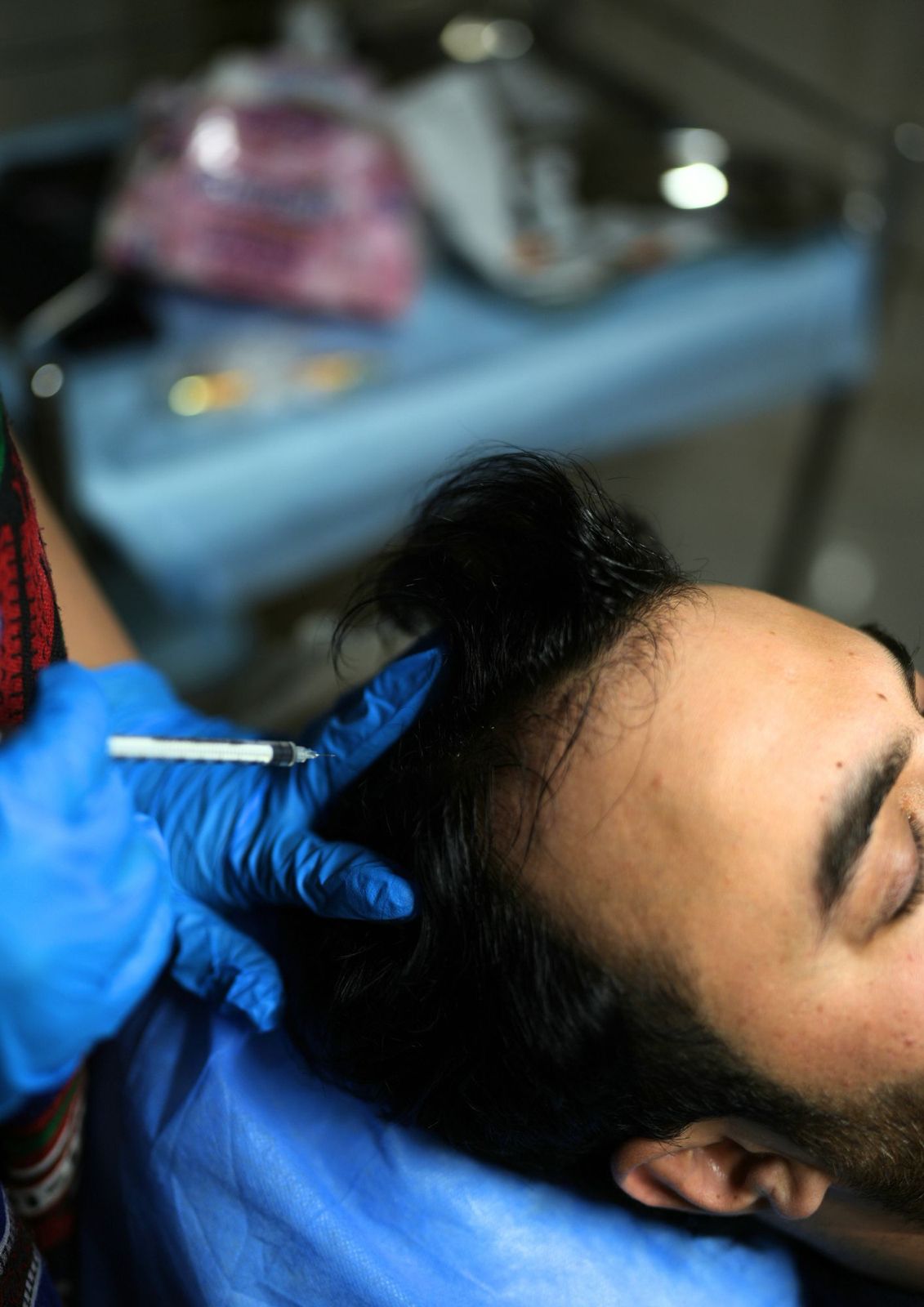
Healthy hair starts with understanding your hair and scalp. Hair fall, thinning, dandruff, and persistent scalp irritation can affect people of different ages and may develop for several reasons. Finding the right hair specialist in Lahore can help you understand your symptoms and explore suitable care options.
At Cosmothetics Clinic, located in Eden Canal Villas on Canal Road, Lahore, clients can enquire about hair and scalp consultations and available hair-care treatments. The appropriate approach depends on your symptoms, medical history, scalp condition, and the likely cause of the problem.
Whether you are experiencing gradual hair thinning, excessive shedding, or an uncomfortable scalp, a professional assessment can help you make informed decisions about your care.
Why Consult a Hair Specialist in Lahore?
Hair concerns are not always caused by the same underlying problem. Genetics, hormonal changes, nutritional deficiencies, stress, medications, scalp disorders, and recent illness can all contribute to changes in hair growth.
A hair specialist can help assess the pattern of hair loss, examine the scalp, and determine whether further medical evaluation or testing is appropriate.
Consider arranging a consultation if you experience:
- Persistent or increasing hair fall.
- Gradual thinning around the hairline or crown.
- Noticeable bald patches.
- Dandruff that does not improve with suitable care.
- Persistent scalp itching, redness, or discomfort.
- Hair breakage or changes in hair density.
- Hair loss following illness, childbirth, or a significant period of stress.
Sudden hair loss, painful scalp inflammation, or rapidly developing bald patches deserve prompt medical assessment.
Common Hair and Scalp Problems
1. Hair Fall and Excessive Shedding
Some hair shedding is normal. However, a noticeable increase in shedding may occur after illness, significant stress, nutritional deficiency, hormonal changes, or certain medications.
The first step is to identify the possible cause rather than immediately choosing a cosmetic procedure. Depending on the assessment, a clinician may recommend blood tests, medication review, scalp examination, or other investigations.
2. Hair Thinning and Pattern Hair Loss
Pattern hair loss can affect both men and women. It often develops gradually and may involve a receding hairline, thinning at the crown, or reduced density across the scalp.
Treatment depends on the pattern, severity, medical history, and individual suitability. Some people benefit from established medical treatments, while others may need further investigation or discussion of hair-restoration options.
3. Dandruff and Scalp Irritation
Dandruff can cause visible flakes and itching. Similar symptoms may also occur with seborrheic dermatitis, psoriasis, contact dermatitis, or scalp infections.
A hair specialist or dermatologist can help distinguish between these conditions and recommend suitable scalp care. Avoid applying harsh products or unprescribed medications to an irritated scalp.
4. Patchy Hair Loss
Round or irregular bald patches can have several causes, including alopecia areata, fungal infections, and inflammatory scalp conditions.
Because these problems require different approaches, unexplained patches should be medically assessed rather than treated with a generic hair-growth product.
5. Hair Breakage and Weak Hair
Hair may become brittle because of heat styling, chemical processing, tight hairstyles, friction, or other factors. Breakage is different from hair loss originating at the follicle.
A specialist can help distinguish breakage from shedding and advise on suitable hair-care practices or further assessment if necessary.
What to Expect During a Hair Consultation
A useful consultation should focus on understanding your concern before recommending a procedure.
Review of Your Hair History
The clinician may ask when the problem began, whether it is getting worse, which areas are affected, and whether you have experienced recent illness, stress, dietary changes, or medication changes.
Hair and Scalp Examination
The examination may include an assessment of the scalp, hair density, hair-shaft condition, and the pattern of thinning. A closer scalp examination may be recommended when appropriate.
Further Tests When Needed
Not everyone needs laboratory testing. Depending on the symptoms and medical history, a clinician may consider tests for conditions such as iron deficiency or thyroid disorders.
Individualized Treatment Planning
Once the likely cause is understood, the clinician can discuss suitable options, expected timelines, potential side effects, costs, and follow-up arrangements. No treatment can guarantee hair regrowth for every person.
Hair Treatment Options Available at Cosmothetics Clinic
Cosmothetics publishes information about hair and scalp services, including PRP and hair-loss treatment options. Availability and suitability should be confirmed directly with the clinic.
Cosmothetics Clinic
PRP Hair Treatment
Platelet-rich plasma (PRP) treatment uses a preparation made from a patient’s own blood, which is processed to concentrate platelets before being administered to the scalp.
PRP may help some people with certain types of hair loss, but results vary, evidence differs by condition and protocol, and multiple sessions may be discussed. A consultation is important to determine whether it is appropriate for your situation.
Medical Hair-Loss Treatment
Depending on the diagnosis, established treatments may include topical or prescription medicines. The right option depends on the type of hair loss, medical history, contraindications, and possible side effects.
Do not start prescription treatments or supplements without appropriate medical advice.
Scalp Care and Dandruff Management
Treatment for dandruff, inflammation, or scalp infection depends on the underlying condition. Options may include medicated shampoos or other clinician-recommended treatments.
A cosmetic scalp treatment is not a substitute for medical care when an infection or inflammatory disease is suspected.
Hair Transplant Consultation
Some people with suitable types of permanent hair loss may consider a hair transplant. Candidacy depends on the diagnosis, donor hair, overall health, and realistic expectations.
A consultation should explain the procedure, risks, recovery, costs, and likely limitations. A transplant is not the right choice for every form of hair loss.
Emerging Hair-Restoration Treatments
Clinics may also discuss newer approaches, including growth-factor-based or exosome-related treatments. The quality of evidence and regulatory status can vary. Ask about supporting evidence, product details, potential risks, and alternatives before proceeding.
How to Choose the Right Hair Specialist in Lahore
Choosing a provider carefully is an important part of hair care. Consider the following points before booking:
- Qualifications: Check the clinician’s recognised medical qualifications and relevant specialty training.
- Diagnosis first: Look for an assessment that considers possible causes instead of immediately recommending a package.
- Clear explanations: Ask why a treatment is suitable and what alternatives exist.
- Realistic expectations: Hair growth takes time, and results differ between individuals.
- Transparent costs: Request a breakdown of consultation fees, treatment sessions, medicines, and follow-up costs.
- Safety and hygiene: Ask about infection-control procedures and the qualifications of the person performing any procedure.
- Follow-up care: Find out how progress and possible side effects will be monitored.
Be cautious of claims promising guaranteed regrowth, instant results, or a permanent cure for every type of hair loss.
Who Should Visit a Hair Specialist?
A consultation may be helpful for adults experiencing persistent hair fall, progressive thinning, scalp discomfort, or unexplained changes in hair density.
People with sudden or patchy hair loss, signs of scalp infection, or hair loss accompanied by other symptoms should seek medical assessment promptly. Children and teenagers with hair loss should be evaluated by an appropriately qualified healthcare professional.
Hair Specialist at Cosmothetics Clinic, Lahore
Cosmothetics Clinic provides hair-related and aesthetic services in Lahore. If you are considering a consultation, contact the clinic to confirm the clinician’s qualifications, the hair services currently offered, and the assessment process.
Clinic details
- Address: 3rd Floor, 1, Mall 2, Eden Canal Villas, Lahore
- Phone: +92 325 9150000
- Website: Cosmothetics Clinic
- Contact page: Book or enquire about a consultation
The clinic is situated in Eden Canal Villas on Canal Road, near Thokar Niaz Baig. Contact the clinic before visiting to confirm appointment availability.
Take the First Step Toward Healthier Hair
Hair fall and scalp problems can have different causes, so the most appropriate treatment begins with a careful assessment. A qualified professional can help you understand your symptoms, discuss treatment options, and set realistic expectations.
If you are searching for a hair specialist in Lahore, contact Cosmothetics Clinic to enquire about hair and scalp consultations. Choose a treatment plan based on your individual needs, medical advice, and a clear understanding of its potential benefits and risks.
3. Frequently asked questions (FAQs)
1. How do I find a hair specialist in Lahore?
Look for a qualified healthcare professional with relevant experience in hair and scalp conditions. Check credentials, consultation practices, treatment explanations, and follow-up arrangements before booking.
2. When should I consult a hair specialist?
Consider a consultation if hair fall persists, hair density decreases, bald patches appear, or scalp itching and flaking continue despite appropriate care. Sudden or severe symptoms should be assessed promptly.
3. What causes excessive hair fall?
Possible causes include genetics, hormonal changes, stress, illness, nutritional deficiencies, medications, and scalp disorders. The cause cannot always be determined from symptoms alone.
4. Can a hair specialist treat hair thinning?
A specialist can assess the cause of thinning and discuss suitable options. Treatment may include medical therapy or selected hair-restoration procedures, depending on the diagnosis.
5. Does Cosmothetics Clinic offer PRP hair treatment?
Cosmothetics publishes information about PRP and other hair-related treatments. Contact the clinic to confirm current availability, clinician qualifications, suitability criteria, and costs.
Cosmothetics Clinic
6. How many PRP sessions are needed for hair loss?
The number of sessions depends on the individual’s condition and treatment protocol. A clinician should explain the proposed schedule, expected timeline, costs, and maintenance requirements.
7. Can dandruff cause hair loss?
Dandruff itself does not usually cause permanent hair loss, but significant inflammation, scratching, or an underlying scalp condition may contribute to shedding or breakage. Persistent symptoms should be assessed.
8. Is a hair transplant suitable for everyone?
No. Suitability depends on the cause of hair loss, donor hair availability, health, and expectations. A qualified clinician can explain whether surgery or another approach is appropriate.
9. How long does hair treatment take to show results?
Hair growth changes gradually, and the timeline varies by condition and treatment. Some treatments require several months of consistent use before their effects can be assessed.
10. Where is Cosmothetics Clinic located?
Cosmothetics Clinic is located on the third floor, 1, Mall 2, Eden Canal Villas, Lahore, near Thokar Niaz Baig. You can call +92 325 9150000 to confirm appointment details.
11. Can women consult a hair specialist for hair fall?
Yes. Women can experience hair shedding, pattern hair loss, hormonal changes, and scalp conditions. Assessment should take individual medical history and symptoms into account.
12. Is PRP or medication better for hair loss?
Neither option is best for every person. The appropriate choice depends on the type of hair loss, available evidence, medical history, suitability, costs, and potential side effects. A clinician can explain the options.
Leave a Reply